Table Of Content
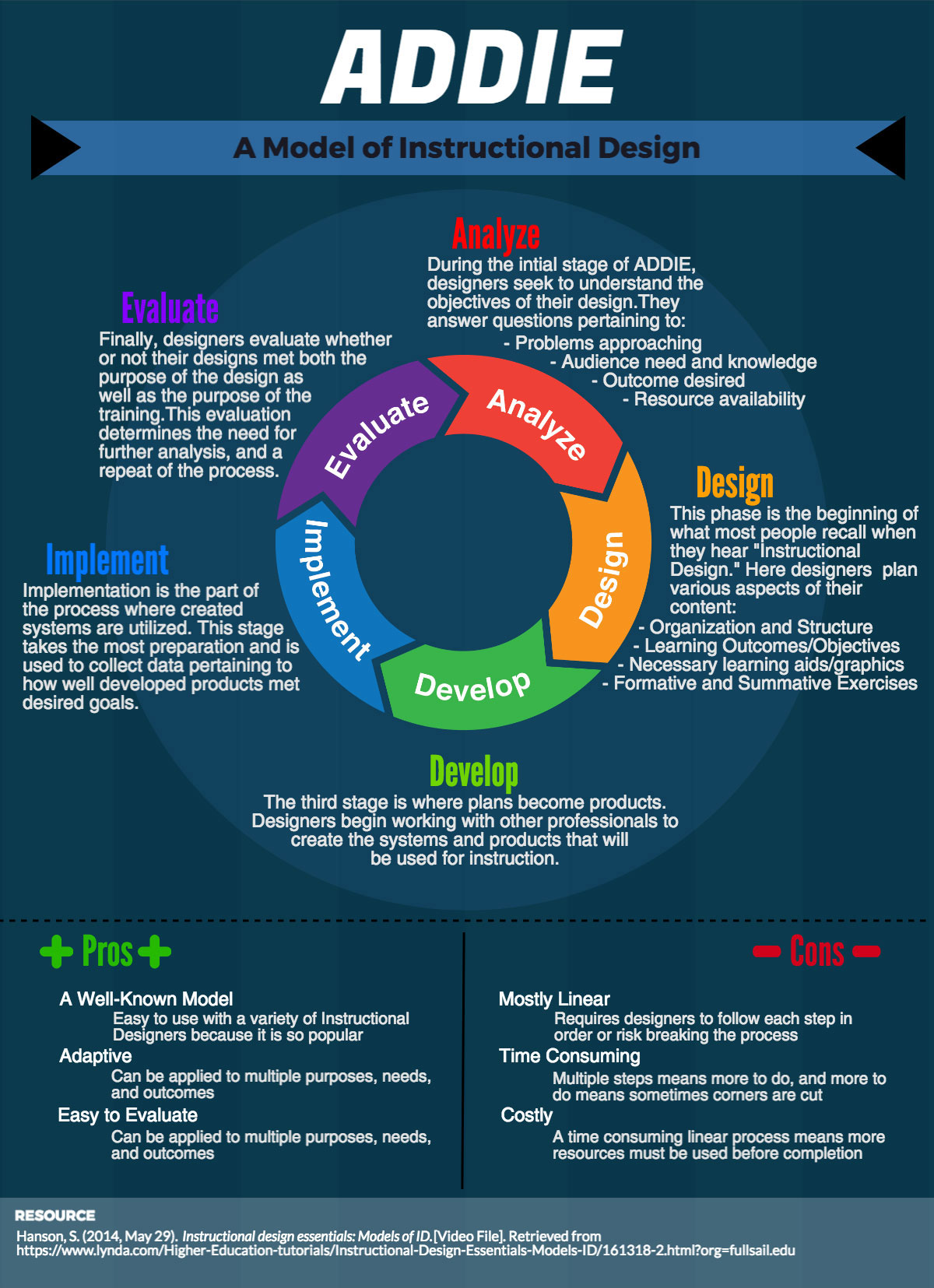
Many organizations already implement aspects of the ADDIE model without it becoming a formalized design structure. However, due to the fast-paced nature of business, it is common for teams to focus on the design, development, and implementation stages. The ADDIE model provides a scaffold for your thinking and for collaboration with the rest of your learning design team. Use it to ensure you don’t overlook any steps and manage the project effectively. In summary, ADDIE is a process that can be implemented to allow for better course design.
Step 3. Development
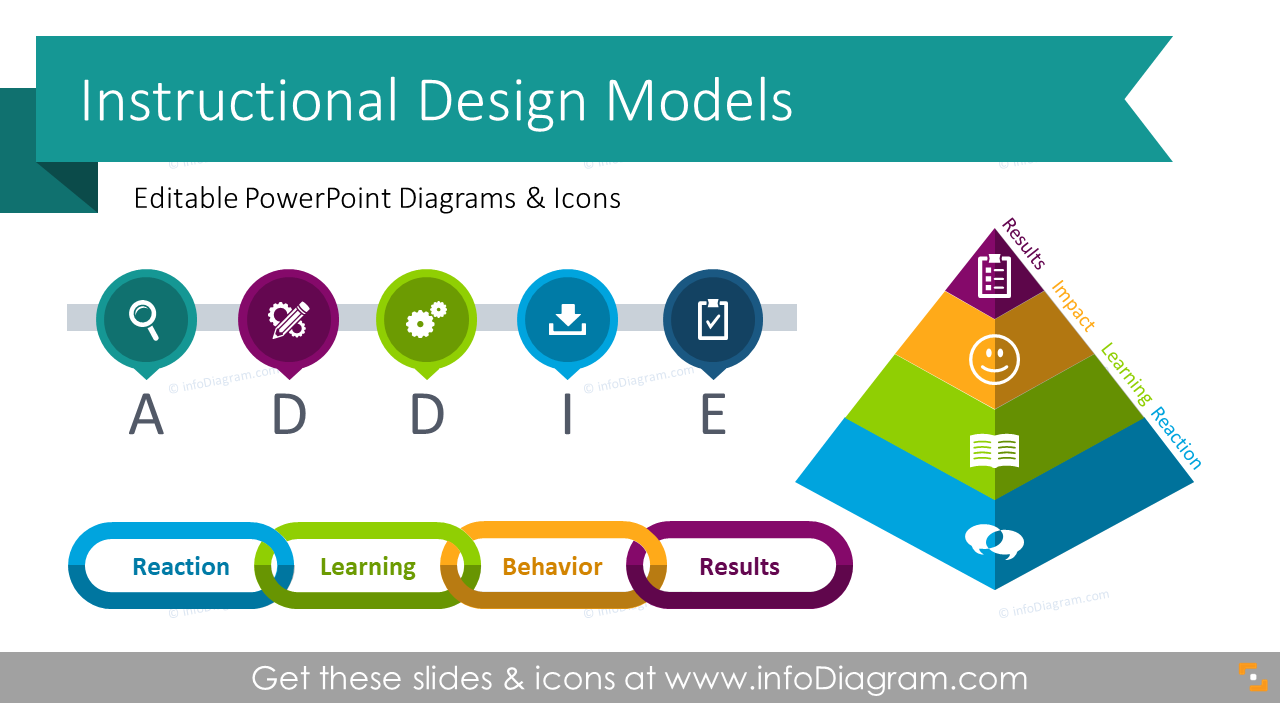
Today, the influence of the ADDIE method can be seen on most ID models being used. This could be as simple as looking at similar courses already in your LMS, gathering usage data, or talking to managers in operations to find out what their needs are. Even spending a short period of time conducting a needs analysis will pay dividends in the end. Having these conversations can be challenging, and I suggest easing into them, asking clarifying questions about the goal of the training, and providing solutions for how to achieve the goal. Regular check-in meetings also help ease the conversation and provide a set time for checking-in on the priority and status of this initiative. If you review your existing course design processes, you may find that you are using a less structured version of ADDIE already.
Traditional ADDIE Implementation Process
The Development stage starts the production and testing of the methodology being used in the project. In this stage, designers make use of the data collected from the two previous stages, and use this information to create a program that will relay what needs to be taught to participants. If the two previous stages required planning and brainstorming, the Development stage is all about putting it into action. This phase includes three tasks, namely drafting, production and evaluation. During the development phase, the designers will develop and assemble the designed content assets (Morrison, Ross, & Kemp, 2007), while system analysts will collaborate and integrate different modes of technology.
Technology & Tools
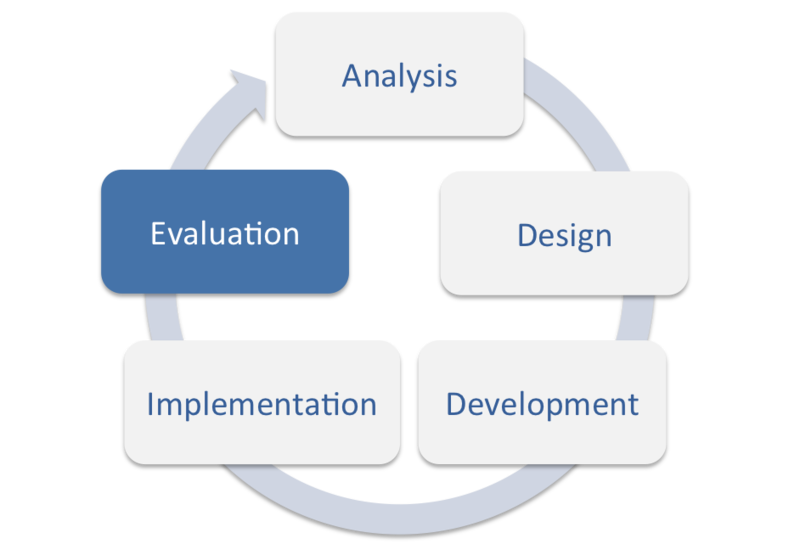
A core strength of the ADDIE model lies in its emphasis on iteration. Throughout each stage of development, the model encourages ongoing feedback and adjustments, fostering continuous improvement. This iterative approach ensures prompt incorporation of necessary modifications, leading to the refinement of instructional content throughout the entire design process.
How To Create An Online Course Following The ADDIE Model
By observing, you can take notes on how well objectives are met, how closely the course sticks to the predicted timeline, and what learners get out of it. If you use an online course development tool or a Learning Management System (LMS), then your course is already where it needs to be. Just hit publish, invite learners via email, and track learner progress and results. A good LMS streamlines much of the work necessary to deliver your content, and track learner progress and results. During the implementation phase, the sales training program is rolled out to the sales team. Workshops are conducted, and eLearning modules are made accessible through the company’s learning management system.
Development phase
Specific means the team must execute each element of the instructional design plan with attention to detail. The design phase may involve writing a design document/design proposal or concept and structure note to aid final development. Integrating AI tools into the Analysis phase allows instructional designers to use available data better, leading to more targeted and practical learning experiences. In addition, this improved understanding of learners’ needs and goals sets the stage for a more personalized and adaptive instructional design process.
Virtual Instructional Design Certificate - ATD
Virtual Instructional Design Certificate.
Posted: Fri, 04 Jun 2021 23:32:00 GMT [source]
This structured nature enhances the overall quality and effectiveness of the learning program. The planning phase emphasizes the importance of strategic planning before diving into the detailed analysis and design stages. This phase involves setting the overall goals, defining the scope of the project, and establishing the resources, timeline, and stakeholders’ roles. In this phase you bring your storyboards to life and start creating the courses.
The ADDIE Model Analysis Phase
Based on that feedback, you can evaluate whether or not you achieved the goals you identified in the ANALYSIS phase, and, based on the answer, either forge ahead, make a few tweaks, or begin the ADDIE process anew. The answer to this question will help you determine the best delivery tool. Find out whether your learners prefer face-to-face learning, hands-on skill-building, or a mixture of both, which would point you to a blended learning approach. When planning an eLearning course or curriculum, it’s easy to get bogged down in the details.
Designing for Modern Learning - ATD
Designing for Modern Learning.
Posted: Wed, 05 Feb 2020 17:09:04 GMT [source]
This process should be repeated at least every two months, or whenever you notice changes need to be made to course content (if industry best practices or school curriculum requirements shift, for example). Plus, ADDIE is an iterative model which allows for feedback, evaluation, and changes at every stage to ensure learning objectives are met. While evaluation is the next and last stage of the ADDIE model, you can already start gathering your data in the implementation phase of the instructional design process.
It encompasses five phases—Analyze, Design, Develop, Implement, and Evaluate—to ensure that educational content is aligned with learner needs and achieves desired learning outcomes. Integrating AI tools such as ChatGPT and Claude into the ADDIE model can revolutionize instructional design, creating more dynamic, personalized, and compelling learning experiences. By leveraging AI in each model phase, instructional designers can enhance their analysis, design, development, implementation, and evaluation processes, improving learners’ learning outcomes. In the development phase, the instructional designers and subject matter experts collaborate to create the training materials. This includes developing presentations, eLearning modules, role-playing scenarios, and assessment quizzes. The content is aligned with the learning objectives and designed to engage learners effectively.
As we’ve argued throughout this article, high-level models like ADDIE continue to be useful in 2024. Through systematic evaluation at each stage, the model enables the identification of strengths and weaknesses in learning materials. This ongoing assessment contributes to content refinement, ensuring the final product meets desired learning objectives and maintains high standards. It is important that designers be systematic when transmitting designs to actual content, graphics and materials. In this phase, you will also create a prototype for the training program.


No comments:
Post a Comment